What is IBS? Symptoms, Types and Diagnosis Explained

Irritable Bowel Syndrome is one of the most common chronic conditions in the world — yet it remains widely misunderstood, frequently misdiagnosed, and often dismissed. This article provides a thorough, evidence-based overview of what IBS actually is, how it differs from other bowel conditions, and what the diagnostic process looks like in an Irish context.
What is Irritable Bowel Syndrome?
IBS is classified as a functional gastrointestinal disorder — a condition in which symptoms arise from changes in how the gut works, rather than from visible structural damage. There is no inflammation, no ulceration, no abnormality detectable on a standard colonoscopy. The gut looks normal; the problem lies in how it functions.
More precisely, IBS is now categorised as a disorder of gut-brain interaction (DGBI). This terminology, adopted in the Rome IV diagnostic framework (2016), reflects the central role of the gut-brain axis — the two-way communication network between the gastrointestinal tract and the central nervous system — in the development and perpetuation of symptoms.
IBS is defined by the presence of recurrent abdominal pain associated with changes in stool frequency or consistency, occurring at least once per week on average over the preceding three months. These symptoms must have been present for at least six months to meet the Rome IV diagnostic criteria.
How Common is IBS?
IBS affects between 10 and 15 percent of the global adult population, making it one of the most prevalent chronic health conditions worldwide. In Ireland, the Health Service Executive (HSE) estimates that approximately 1 in 5 adults is affected — a figure consistent with broader European prevalence data.
IBS is more common in women than in men, with a ratio of approximately 2:1. Symptoms typically first appear before the age of 40, though IBS can develop at any age. It is not uncommon for symptoms to begin following a gastrointestinal infection — a pattern known as post-infectious IBS — or following a significant period of psychological stress.
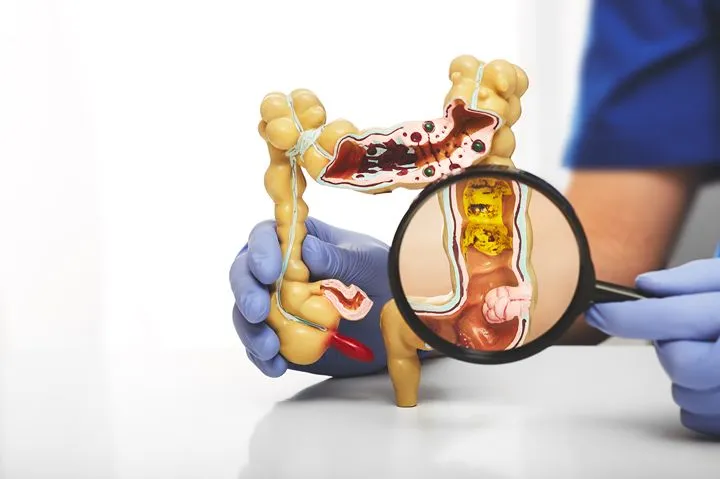
Symptoms of IBS
The symptom profile of IBS varies considerably between individuals and may fluctuate over time. The cardinal symptom — required for a diagnosis — is abdominal pain or discomfort, typically associated with changes in bowel habit. Additional symptoms commonly reported include:
- Bloating and abdominal distension
- Diarrhoea (loose or watery stools)
- Constipation (hard or infrequent stools)
- Alternating diarrhoea and constipation
- Urgency (a sudden, compelling need to defecate)
- Feeling of incomplete evacuation after bowel movement
- Mucus in stools
- Excess wind (flatulence)
Many people with IBS also report non-gastrointestinal symptoms, including fatigue, sleep disturbance, anxiety and depression. These are not coincidental — they reflect the close relationship between gut function and the central nervous system.
The Four Subtypes of IBS
IBS is categorised into four subtypes based on the predominant bowel habit pattern. Knowing your subtype is clinically relevant — it informs dietary and treatment decisions.
- IBS-D (Diarrhoea-Predominant): Loose or watery stools predominate. Often associated with urgency. More common in men.
- IBS-C (Constipation-Predominant): Hard or infrequent stools predominate. Straining and bloating are prominent features. More common in women.
- IBS-M (Mixed): Both loose stools and constipation occur — either alternating or unpredictably. The most common subtype overall.
- IBS-U (Unclassified): Symptoms meet the criteria for IBS but do not fit clearly into the D, C or M categories.
It is important to note that subtype is not fixed — many people transition between subtypes over time, and the predominant pattern can shift in response to diet, stress, or other factors.
IBS vs IBD — An Important Distinction
IBS and IBD (Inflammatory Bowel Disease) are entirely different conditions that are frequently confused, including by patients and occasionally in media coverage. The distinction matters:
- IBS is a functional disorder. There is no inflammation, no damage to the gut lining, and no increased cancer risk. It does not show up on a colonoscopy.
- IBD — which includes Crohn's disease and ulcerative colitis — involves actual inflammation and structural damage to the gastrointestinal tract. It is visible on investigation and carries a different set of risks and treatment approaches.
IBS does not progress to IBD or bowel cancer. This is an important reassurance for many patients — but it should not be used as a reason to avoid investigation, particularly if symptoms are new, changing, or accompanied by alarm features (see below).
Diagnosis — How IBS is Identified
There is no blood test, stool test or scan that diagnoses IBS directly. Diagnosis is clinical — based on symptoms, medical history and the exclusion of other conditions. In Ireland, your GP will typically:
- Take a detailed symptom history (duration, pattern, associated factors)
- Apply the Rome IV diagnostic criteria
- Request blood tests to rule out coeliac disease, thyroid disorders and inflammatory markers
- Consider further investigation if alarm features are present
Alarm features that warrant prompt GP review include: unintentional weight loss, rectal bleeding, a family history of bowel cancer or IBD, symptoms beginning after age 50, or a significant recent change in bowel habit. These symptoms do not mean you have something serious — but they need to be assessed.
Referral to a gastroenterologist may be arranged for colonoscopy or other investigations, particularly to exclude IBD or colorectal cancer in higher-risk individuals.
What IBS is Not
IBS is not a psychosomatic condition — the suggestion that it is "all in your head" is both medically inaccurate and harmful. Stress and psychological factors can influence symptoms, but they do not cause IBS as a primary driver. IBS involves real physiological changes: altered gut motility, visceral hypersensitivity (the gut's pain response is amplified), changes in gut microbiome composition, and dysregulation of the gut-brain axis. These are measurable biological phenomena.
IBS is also not a condition you simply have to live with without management. Dietary approaches (particularly the Low-FODMAP diet), psychological therapies, specific medications, and evidence-based supplements have all demonstrated benefit in clinical trials.
Frequently Asked Questions
IBS is a functional disorder with no structural damage or inflammation. IBD (Crohn's disease and ulcerative colitis) involves actual inflammation and damage to the gut lining, visible on investigation. IBS does not progress to IBD or increase cancer risk. They are entirely separate conditions.
IBS is diagnosed clinically by a GP using the Rome IV criteria — based on symptom history rather than a specific test. Blood tests are typically used to exclude other conditions. Referral to a gastroenterologist may follow if alarm features are present or symptoms are complex.
IBS is not life-threatening and does not increase the risk of bowel cancer. However, it is a chronic condition that can significantly affect quality of life, daily functioning and mental health. It warrants proper investigation and management — not dismissal.
IBS.ie
Ireland's dedicated IBS information resource. We provide evidence-based, HSE and PubMed-referenced content on irritable bowel syndrome — covering symptoms, diet, gut health and management. All content is for general information only. Always consult your GP or a qualified specialist for personal medical advice.
Related Articles


Sources & References
Lacy, B.E., et al. (2016). Bowel Disorders. Rome IV Criteria. Gastroenterology. View on PubMed ↗
Chey, W.D., et al. (2015). Irritable Bowel Syndrome: A Clinical Review. JAMA. View on PubMed ↗
Health Service Executive (HSE). Irritable Bowel Syndrome. View on HSE.ie ↗
NHS. Irritable Bowel Syndrome (IBS). View on NHS.uk ↗