IBS and Diet — Foods to Eat and Foods to Avoid
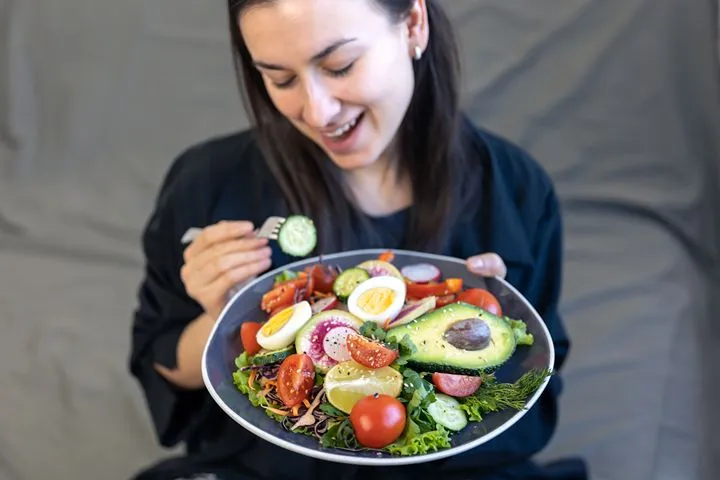
Diet is the most widely reported trigger of IBS symptoms, and dietary modification is the most commonly attempted management strategy. Yet the relationship between food and IBS is highly individual, context-dependent and frequently misunderstood. This guide provides a practical, evidence-informed framework for eating well with IBS — without unnecessary restriction.
The Most Important Principle: Individual Variation
No universal "IBS diet" exists that works for everyone. What triggers severe symptoms in one person may be perfectly tolerated by another with the same diagnosis. This reflects the heterogeneity of IBS — different subtypes, different gut microbiomes, different visceral sensitivity thresholds. Sweeping food rules borrowed from internet lists are frequently counterproductive, leading to nutritional restriction without corresponding symptom benefit.
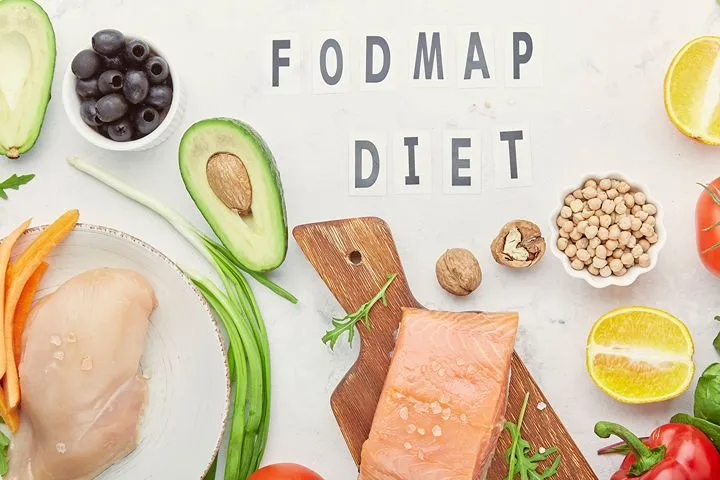
The most evidence-based approach is a systematic one: identify your personal triggers through a food and symptom diary, then make targeted adjustments rather than blanket eliminations. Working with a registered dietitian — particularly one trained in the Low-FODMAP protocol — provides the most structured path through this process.
Foods Generally Well Tolerated in IBS
Based on FODMAP research and clinical experience, the following foods are well tolerated by the majority of IBS patients: rice, potatoes, oats (all naturally low-FODMAP grains); lean proteins including chicken, fish, eggs and tofu; most vegetables in moderate portions (carrots, courgette, spinach, tomatoes, peppers, aubergine, cucumber, lettuce, kale, bok choy); low-FODMAP fruits including blueberries, strawberries, kiwi, oranges, grapes and ripe bananas in small portions; hard cheeses and butter (low in lactose); and rice milk and lactose-free dairy alternatives.
Soluble fibre — found in oats, psyllium husk, chia seeds and root vegetables — is generally beneficial across IBS subtypes, supporting stool consistency and slowing transit time. It is distinct from insoluble fibre (found in wheat bran), which can worsen bloating and pain in IBS.
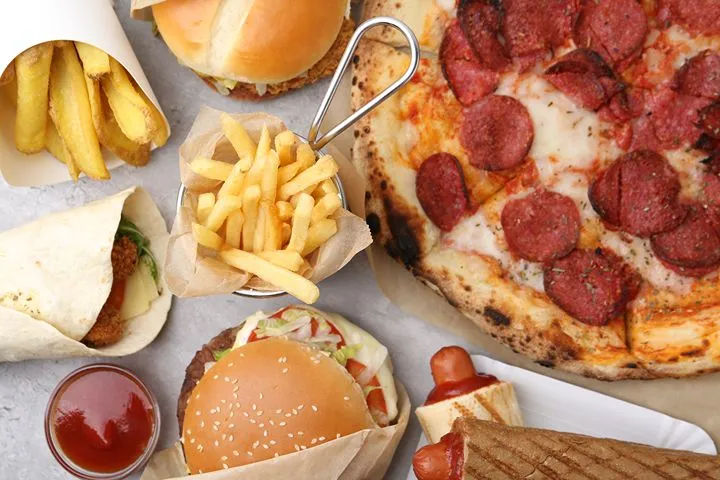
Foods Commonly Associated with IBS Symptoms
High-FODMAP foods are the most evidence-backed category of dietary triggers (covered in detail in the Low-FODMAP diet article). Beyond FODMAPs, several other food properties are associated with symptom provocation:
Fat triggers the gastrocolic reflex — the normal response that moves contents through the bowel after a meal — which is exaggerated in IBS. High-fat meals (fried food, fatty meats, cream-heavy sauces) frequently provoke urgency and diarrhoea, particularly in IBS-D.
Caffeine directly stimulates colonic motility. Coffee — including decaffeinated coffee, which still contains colonic stimulants — is one of the most commonly reported dietary triggers in IBS-D. Strong tea has a similar though lesser effect.
Alcohol increases intestinal permeability, disrupts the gut microbiome and affects motility. Beer (carbonated and often high in fructans) and wine (sulphites) are particularly associated with symptom provocation.
Processed and ultra-processed foods are associated with gut dysbiosis and low-grade intestinal inflammation in population studies, and anecdotally reported as triggers by many IBS patients.
Practical Eating Strategies for IBS
Beyond specific foods, eating behaviours influence IBS symptoms significantly. Eating smaller, more frequent meals reduces the gastrocolic reflex compared to large meals. Eating slowly and chewing thoroughly reduces the amount of air swallowed (a contributor to bloating). Regular meal timing supports the circadian rhythm of gut function. Staying well hydrated — particularly with water rather than carbonated drinks — supports stool consistency across IBS subtypes.
Frequently Asked Questions
No — though there is significant overlap. The Low-FODMAP diet restricts fructans (found in wheat, rye and barley) rather than gluten itself. Many people with IBS who improve on a gluten-free diet are actually responding to fructan reduction, not gluten removal. Non-coeliac gluten sensitivity (NCGS) does exist but is distinct from IBS. Your GP can test for coeliac disease before any dietary changes are made.
It depends on the type. Soluble fibre (oats, psyllium, chia seeds, root vegetables) is generally beneficial and is recommended across IBS subtypes for supporting stool consistency and reducing pain. Insoluble fibre (wheat bran, high-fibre cereals) can worsen bloating, pain and diarrhoea in IBS and is generally not recommended as a first-line intervention. Total fibre intake should be adjusted to individual response.
IBS.ie
Ireland's dedicated IBS information resource. We provide evidence-based, HSE and PubMed-referenced content on irritable bowel syndrome — covering symptoms, diet, gut health and management. All content is for general information only. Always consult your GP or a qualified specialist for personal medical advice.
Related Articles

Sources & References
Staudacher, H.M., & Whelan, K. (2017). The low FODMAP diet: recent advances in understanding its mechanisms and efficacy in IBS. Gut. View on PubMed ↗
El-Salhy, M., et al. (2019). Dietary fiber in irritable bowel syndrome. International Journal of Molecular Medicine. View on PubMed ↗