The Ketogenic Diet and IBS — What the Research Says
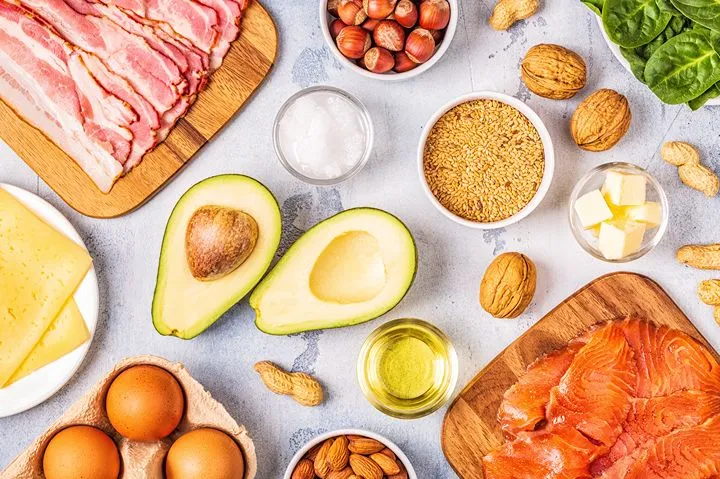
The ketogenic diet — a high-fat, adequate-protein, very low-carbohydrate dietary pattern — has generated significant interest across a range of health conditions beyond its original epilepsy application. For IBS specifically, three lines of evidence support a cautious hypothesis: the diet's FODMAP overlap, its documented effects on the gut microbiome and inflammation, and a series of peer-reviewed preclinical studies from the National Institute of Gastroenterology in Italy. This article presents that evidence honestly — including its current limitations.
The FODMAP Overlap — An Immediate Practical Benefit
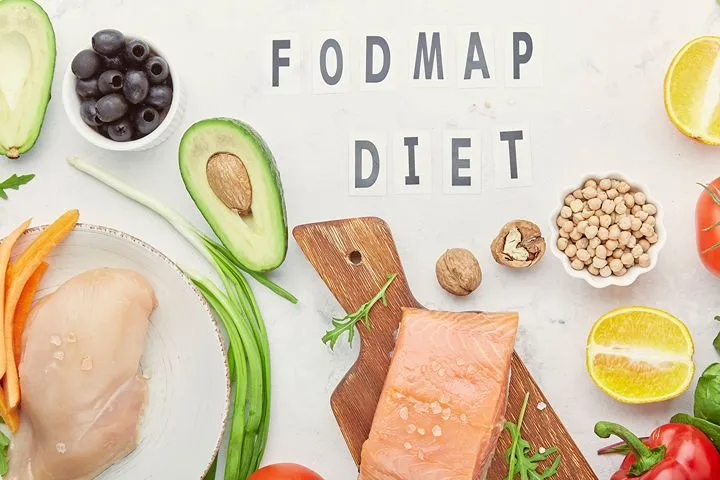
The most direct and evidence-supported benefit of a ketogenic diet for IBS is straightforward: by eliminating carbohydrates, a ketogenic diet removes the majority of high-FODMAP foods by default. Wheat (fructans), legumes (galacto-oligosaccharides), lactose-containing dairy, most fruits (fructose and polyols), onion and garlic (fructans) — all are excluded on a standard ketogenic diet. A person following a ketogenic diet is, in effect, following a low-FODMAP diet whether they intend to or not.
This dietary overlap explains many of the anecdotal reports of IBS improvement on a ketogenic diet, and it is worth stating clearly: the mechanism may simply be FODMAP reduction rather than anything specific to ketosis or fat metabolism. Distinguishing these mechanisms requires controlled trials that have not yet been conducted in humans.
Preclinical Research — What the Italian Studies Found
A series of peer-reviewed studies from the National Institute of Gastroenterology "S. de Bellis" Research Hospital in Italy have used rat models of IBS to investigate ketogenic diet effects on gut function. While animal models have well-known limitations for translating to human clinical outcomes, these studies are published in indexed journals and provide mechanistic hypotheses worth examining.
A 2021 study published in the International Journal of Molecular Sciences (PMC7999285) found that a ketogenic diet in IBS-model rats led to upregulation of cannabinoid receptors (CB1 and CB2) in intestinal tissue. Cannabinoid receptors in the gut regulate visceral pain perception, gut motility and inflammatory responses — their activation has been associated with reduced IBS-type symptoms. The authors proposed that KD-induced changes in gut microbiota composition drove this receptor upregulation.
A second study (PMC8037144) examined the effects of a ketogenic diet on gut mitochondrial function in IBS-model rats exposed to early-life stress. IBS rats on a standard diet showed dysfunctional mitochondrial biogenesis, increased intestinal inflammation and oxidative stress in colon tissue. IBS rats on the ketogenic diet showed significant improvements in all three measures — reduced COX-2 (inflammatory marker), improved mitochondrial biogenesis parameters, and reduced oxidative stress. The authors concluded that the ketogenic diet reduced the harmful effects of stress on gut mitochondria.
A third study (PMC8835524) examined the gut-brain axis specifically, finding that the ketogenic diet normalised disrupted serotonin signalling in the colon of IBS-model rats — including restoring SERT (the serotonin transporter) and 5-HT receptor levels toward normal. Serotonin dysregulation is a key feature of IBS in humans, as discussed in the gut-brain axis article. The authors noted the need for human clinical confirmation.
An Honest Assessment of the Evidence
The three Italian studies are published in peer-reviewed journals, conducted by a reputable gastroenterology institute, and provide coherent mechanistic hypotheses. They are also exclusively animal model studies — a significant limitation for clinical translation. Rat models of IBS (typically induced by maternal deprivation or chemical agents) do not perfectly replicate human IBS, and effects seen in rats often do not reproduce in human trials.
There are currently no randomised controlled trials of a ketogenic diet specifically for IBS in human participants. The existing human evidence consists of anecdotal reports, case series and the mechanistic inference from FODMAP overlap. This means we cannot make confident clinical recommendations for a ketogenic diet as an IBS treatment on current evidence.
What can be said honestly is this: a ketogenic diet is an evidence-based intervention for several conditions, is generally safe for healthy adults when followed correctly, achieves FODMAP restriction as a natural consequence of carbohydrate elimination, and has preclinical evidence for gut-specific mechanisms relevant to IBS. Whether these mechanistic findings translate to clinical benefit in humans awaits human trial data.
Practical Considerations for IBS
For people with IBS who are interested in trialling a ketogenic diet, several considerations are worth noting. The transition period ("keto flu") involving fatigue, headaches and digestive changes during the first 1–2 weeks may temporarily worsen gut symptoms. Many ketogenic diet staples — nuts, avocado, coconut products — are individually low-FODMAP but may become high-FODMAP in large quantities. Constipation is a common complaint on ketogenic diets due to reduced dietary fibre, which may worsen IBS-C. Adequate hydration and electrolyte management are important.
The diet should be discussed with a GP or registered dietitian before implementation, particularly for anyone with a history of kidney disease, cardiovascular risk factors, or disordered eating.
Frequently Asked Questions
A ketogenic diet is more likely to be relevant for IBS-D than IBS-C, primarily because it eliminates the fermentable carbohydrates most associated with rapid transit, urgency and diarrhoea. However, the high fat content of the diet — which accelerates gastric emptying and can stimulate the gastrocolic reflex — may counteract some of this benefit in IBS-D. Individual response varies. IBS-C is less likely to benefit and may worsen due to reduced fibre intake.
Not exactly. A low-carbohydrate diet (typically under 100–130g carbohydrate per day) and a ketogenic diet (typically under 20–50g per day) both reduce FODMAP exposure, but a ketogenic diet produces ketosis — a metabolic state in which the body runs primarily on fat and ketone bodies — while a moderate low-carb diet may not. The Italian preclinical studies specifically tested ketogenic diets; whether the same results would be seen with moderate carbohydrate restriction is not known.
IBS.ie
Ireland's dedicated IBS information resource. We provide evidence-based, HSE and PubMed-referenced content on irritable bowel syndrome — covering symptoms, diet, gut health and management. All content is for general information only. Always consult your GP or a qualified specialist for personal medical advice.
Related Articles

Sources & References
Russo, F., et al. (2021). Cannabinoid Receptors Overexpression in a Rat Model of IBS after Treatment with a Ketogenic Diet. International Journal of Molecular Sciences. View on PMC ↗
Notarnicola, M., et al. (2021). The Ketogenic Diet Reduces the Harmful Effects of Stress on Gut Mitochondrial Biogenesis in a Rat Model of IBS. International Journal of Molecular Sciences. View on PMC ↗
Russo, F., et al. (2022). The Ketogenic Diet Improves Gut-Brain Axis in a Rat Model of IBS: Impact on 5-HT and BDNF Systems. International Journal of Molecular Sciences. View on PMC ↗