The Low-FODMAP Diet and IBS — An Irish Guide
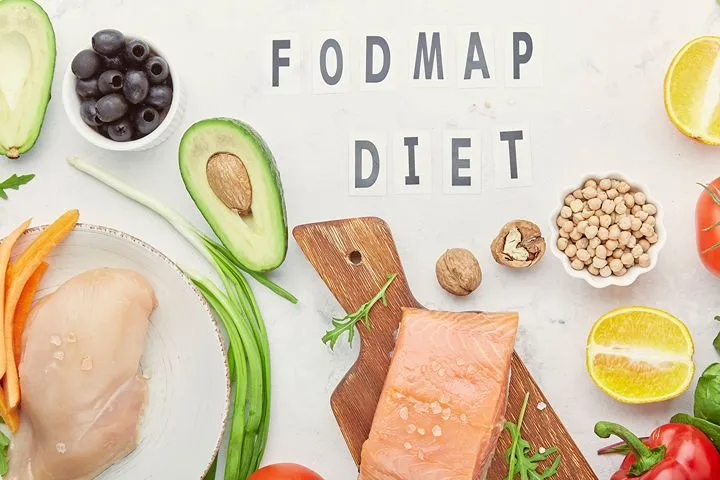
The Low-FODMAP diet is the most extensively researched dietary approach for IBS, with randomised controlled trials consistently showing significant symptom reduction in 50–75% of patients. Developed at Monash University in Melbourne, it is now recommended by leading gastroenterological bodies worldwide — including in Irish clinical practice. This guide explains what FODMAPs are, how the diet works, and how to implement it practically in an Irish context.
What are FODMAPs?
FODMAP is an acronym for Fermentable Oligosaccharides, Disaccharides, Monosaccharides And Polyols. These are short-chain carbohydrates and sugar alcohols that share three key properties relevant to IBS: they are poorly absorbed in the small intestine, they are rapidly fermented by colonic bacteria (producing gas), and they draw water into the bowel through osmosis.
In people without IBS, this process occurs normally with minimal symptoms. In IBS, the resulting gas production, bowel distension and accelerated transit amplify the already-heightened visceral sensitivity — producing bloating, pain, urgency and altered bowel habits. A landmark trial published in Gastroenterology (2014) compared a Low-FODMAP diet to a standard dietary approach in IBS patients and found that 68% of the Low-FODMAP group had adequate symptom relief versus 23% of controls.
High-FODMAP Foods to Limit
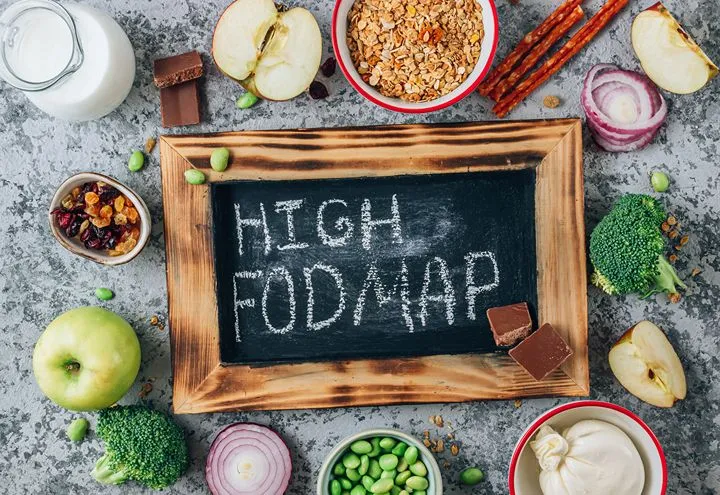
The most significant high-FODMAP foods in the Irish diet include: wheat (bread, pasta, most baked goods — contains fructans), onion and garlic (among the highest-FODMAP foods, present in most Irish cooking), lactose-containing dairy (milk, yogurt, soft cheeses — though hard cheeses like cheddar are low-FODMAP), legumes (kidney beans, chickpeas, lentils), certain fruits (apples, pears, watermelon, mango, stone fruits), and polyols (found in some stone fruits and used as artificial sweeteners in sugar-free products).
Low-FODMAP Foods You Can Eat
Many nutritious foods are naturally low in FODMAPs and well tolerated by most IBS patients: rice, oats (certified GF), quinoa and potatoes; most vegetables including carrots, courgette, spinach, tomatoes, peppers, cucumber and aubergine; most proteins including meat, fish, eggs and tofu; hard cheeses, butter and lactose-free dairy; fruits including blueberries, strawberries, kiwi, oranges and grapes; and nuts and seeds in moderate quantities (almonds limited to 10 per serving).
How to Follow the Low-FODMAP Diet
The Low-FODMAP diet is a three-phase protocol, not a permanent elimination diet. Phase 1 (2–6 weeks) involves strict elimination of high-FODMAP foods to achieve a symptom baseline. Phase 2 involves systematic reintroduction of individual FODMAP groups, one at a time, to identify personal tolerance. Phase 3 involves a personalised, long-term diet based on the individual's identified triggers — rather than blanket avoidance of all high-FODMAP foods indefinitely.
This three-phase approach is important. The elimination phase should not become permanent: many high-FODMAP foods (including legumes, onions and wheat) are important sources of dietary fibre and prebiotic compounds that support gut microbiome health. Long-term over-restriction may negatively affect microbiome diversity. Working with a registered dietitian trained in the Low-FODMAP protocol is strongly recommended.
Frequently Asked Questions
Traditional long-fermented sourdough bread made from wheat flour is considered low-FODMAP in small servings (1–2 slices), because the prolonged fermentation process breaks down much of the fructan content. However, commercially produced "sourdough" breads that are made quickly may not have the same fructan reduction. Spelt sourdough is not low-FODMAP. Monash University has tested specific sourdough breads and results vary by product.
Yes — the Monash University FODMAP Diet app is the gold standard reference for FODMAP content of specific foods and is used by dietitians and patients worldwide, including in Ireland. It is available for iOS and Android and is updated regularly as new foods are tested. It is an invaluable tool during the elimination and reintroduction phases.
IBS.ie
Ireland's dedicated IBS information resource. We provide evidence-based, HSE and PubMed-referenced content on irritable bowel syndrome — covering symptoms, diet, gut health and management. All content is for general information only. Always consult your GP or a qualified specialist for personal medical advice.
Related Articles

Sources & References
Halmos, E.P., et al. (2014). A Diet Low in FODMAPs Reduces Symptoms of Irritable Bowel Syndrome. Gastroenterology. View on PubMed ↗
Gibson, P.R. & Shepherd, S.J. (2010). Evidence-based dietary management of functional gastrointestinal symptoms: The FODMAP approach. Journal of Gastroenterology and Hepatology. View on PubMed ↗