Fasting, Meal Timing and IBS — What the Emerging Research Shows
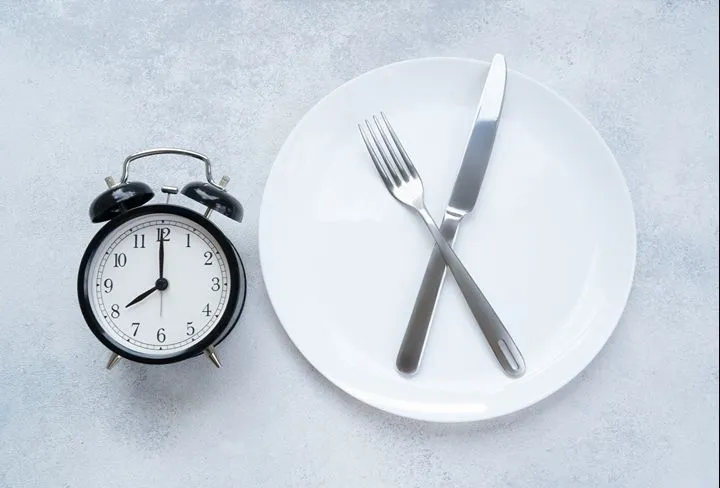
Intermittent fasting and time-restricted eating have attracted significant popular and scientific interest over the past decade. For people with IBS, the relationship between when you eat — not just what you eat — is physiologically significant and underexplored. This article examines what the current evidence shows about meal timing, fasting windows and IBS, while being honest about the limitations of the existing research.
The Migrating Motor Complex — Why Fasting Matters for IBS
During periods between meals, the gut performs a crucial housekeeping function known as the Migrating Motor Complex (MMC). The MMC is a recurring cycle of muscular contractions that sweeps through the small intestine approximately every 90 minutes during fasting, clearing undigested food, bacteria and debris and propelling them toward the colon. It has been described as the gut's "housekeeper" — and it can only function during fasting periods.
Eating — any eating, including small snacks — interrupts the MMC and resets the cycle. If eating occurs frequently throughout the day (the pattern promoted by "grazing" dietary advice), the MMC never completes its full cycle. In people with IBS, and particularly those suspected of small intestinal bacterial overgrowth (SIBO), impaired MMC function is associated with bacterial accumulation in the small intestine, increased gas production and bloating. Allowing adequate fasting windows between meals supports MMC completion and may reduce these symptoms.
Meal Frequency and IBS
The traditional dietary recommendation to eat "little and often" for IBS is based on the rationale of reducing the gastrocolic reflex per meal. This has some basis in reducing urgency for IBS-D, but it may come at the cost of MMC disruption and increased small intestinal bacterial activity for those with bloating-predominant symptoms. The evidence base for specific meal frequency recommendations in IBS is limited, and current guidelines acknowledge that individual response varies.
A practical approach supported by clinical experience is three structured meals per day with a minimum of 3–4 hours between them, avoiding snacking between meals where tolerated. This pattern allows MMC cycles to complete while avoiding the meal-skipping patterns that can provoke hypoglycaemia and stress responses — both IBS-symptom aggravators.

Intermittent Fasting and IBS — Emerging Evidence
Formal IBS-specific intermittent fasting research is limited. A pilot study published in Nutrients (2021) examined time-restricted eating (TRE) with a 16:8 pattern (16 hours fasting, 8-hour eating window) in IBS patients over 8 weeks. Participants reported significant reductions in overall IBS symptom severity, bloating and abdominal pain compared to baseline. Gut microbiome analysis showed increased microbial diversity — a generally favourable finding — and reduced pro-inflammatory bacterial populations. The study was uncontrolled, but the findings align with plausible MMC and circadian rhythm mechanisms.
Circadian rhythm research has established that gut function follows a 24-hour biological clock: digestive enzyme secretion, gut motility and intestinal permeability all vary predictably across the day. Eating in alignment with circadian rhythms (predominantly earlier in the day, avoiding eating late at night) appears to support gut function more generally. Several studies have found that late-night eating is associated with worse IBS symptom scores, independent of food content.
Cautions and Considerations
Fasting strategies are not appropriate for everyone with IBS. For those with IBS-C, longer fasting windows may worsen constipation by reducing the frequency of the gastrocolic reflex. For those with significant anxiety — a common co-morbidity in IBS — restrictive eating patterns may increase psychological stress and worsen symptoms via the gut-brain axis. Fasting approaches should not be pursued during pregnancy. Anyone considering intermittent fasting with a complex medical history should discuss it with their GP or dietitian first.
Frequently Asked Questions
For some people with IBS, particularly IBS-C or those with anxiety, intermittent fasting may worsen symptoms. For others — particularly those with bloating-predominant IBS or suspected SIBO — allowing longer fasting periods between meals may reduce symptoms by supporting MMC function. Individual response is highly variable, and a gradual trial with careful symptom monitoring is the appropriate approach.
Based on circadian rhythm research, eating the majority of food earlier in the day (with the largest meal at breakfast or lunch rather than dinner) appears to support gut function. Avoiding food for 2–3 hours before bed allows the intestine to complete MMC cycles overnight. Consistent meal timing from day to day — eating at roughly the same times each day — also supports the gut's circadian clock.
IBS.ie
Ireland's dedicated IBS information resource. We provide evidence-based, HSE and PubMed-referenced content on irritable bowel syndrome — covering symptoms, diet, gut health and management. All content is for general information only. Always consult your GP or a qualified specialist for personal medical advice.
Related Articles

Sources & References
Öhman, L., & Simrén, M. (2010). Pathogenesis of IBS: role of inflammation, immunity and neuroimmune interactions. Nature Reviews Gastroenterology and Hepatology. View on PubMed ↗
NHS. Irritable Bowel Syndrome — Diet, lifestyle and medicines. View on NHS.uk ↗