Probiotics and IBS — What the Research Actually Says

Probiotics are live microorganisms that, when administered in adequate amounts, confer a health benefit on the host. They are among the most widely recommended interventions for IBS — sold in pharmacies, supermarkets and health food shops across Ireland. But the evidence is considerably more nuanced than the marketing suggests. This article reviews what the clinical literature actually shows.
The Gut Microbiome and IBS
The gut microbiome — the community of trillions of microorganisms living in the gastrointestinal tract — is significantly altered in many people with IBS compared to healthy controls. Studies have found reduced diversity, altered ratios of specific bacterial families (notably Firmicutes and Bacteroidetes), and changes in the production of short-chain fatty acids that influence gut motility and immune function. Whether these microbial changes are a cause or consequence of IBS is not yet fully established — but the association is consistent and provides a rationale for probiotic intervention.
What Does the Evidence Show?
The evidence base for probiotics in IBS is substantial but heterogeneous — meaning that results vary considerably depending on the bacterial strain(s) used, the dose, the duration of treatment, and the IBS subtype of patients studied. A systematic review and meta-analysis published in the American Journal of Gastroenterology (2018) analysed 53 randomised controlled trials and concluded that probiotics as a group were significantly better than placebo for global IBS symptoms, abdominal pain, bloating and flatulence — but that no single strain or combination could be confidently recommended over others based on the available evidence.
The most-studied strains with positive results include: Lactobacillus plantarum 299v (significant reduction in abdominal pain in IBS-D), Bifidobacterium infantis 35624 (reduction in pain, bloating and bowel habit satisfaction), and Lactobacillus acidophilus DDS-1 (significant reduction in abdominal pain severity versus placebo across 12 gastroenterology clinics). Multi-strain combinations have also shown benefit in several trials.
Food Sources vs Supplements
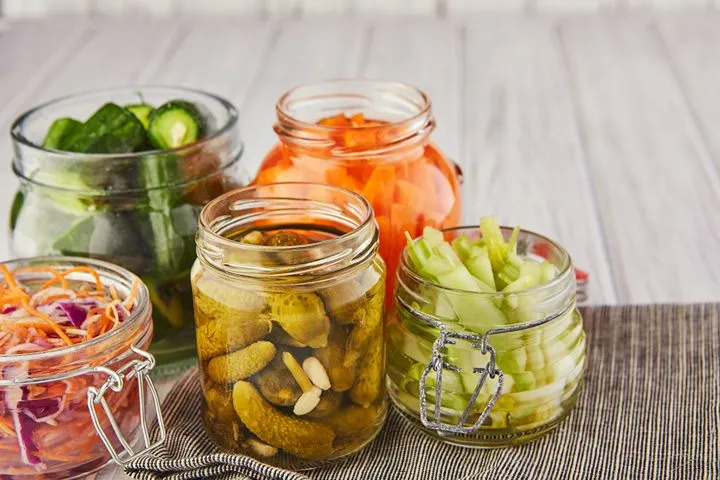
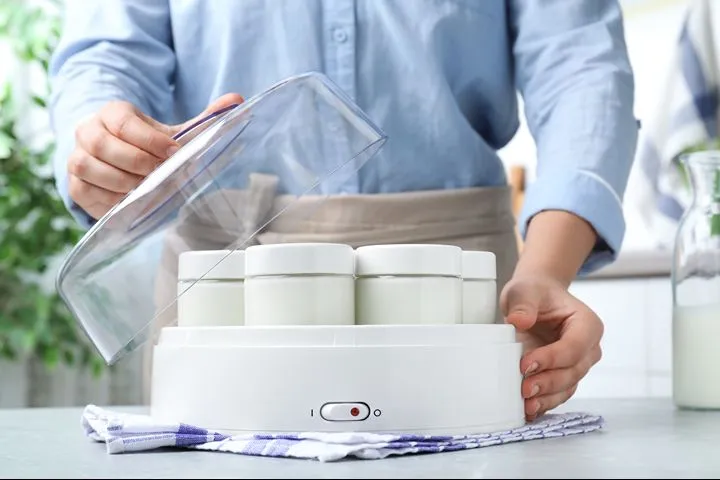
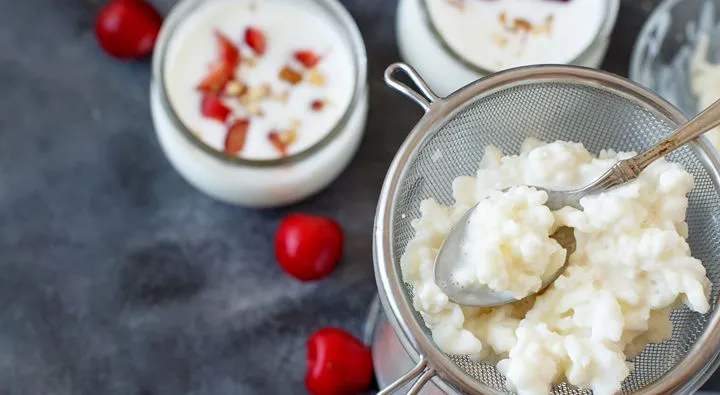
Probiotic-rich foods — yogurt, kefir, sauerkraut, kimchi, miso and kombucha — provide live bacteria alongside a nutritional matrix that may support their survival and efficacy. They are not interchangeable with probiotic supplements in terms of strain specificity or dose, but they offer additional nutritional value and are generally well tolerated. The caveat for IBS is that some fermented foods are high in FODMAPs (e.g. certain yogurts with added fructose, kombucha), so individual tolerance varies.
Probiotic supplements offer the ability to deliver specific, studied strains at standardised doses. When choosing a supplement, the key variables to consider are: the specific strain(s) identified by genus, species and strain designation (e.g. Lactobacillus acidophilus NCFM — not just "Lactobacillus"); the CFU (colony-forming unit) count at end of shelf life; and whether the product has been tested in clinical trials for IBS specifically.
Frequently Asked Questions
Most clinical trials assess outcomes at 4–8 weeks of continuous use. If a probiotic is going to work for you, some benefit is typically apparent within this timeframe. If no benefit is seen after 8 weeks, it is reasonable to discontinue and try a different strain or approach — probiotic response is highly individual.
Most probiotics are well tolerated. However, some people experience a temporary increase in bloating and gas when first starting probiotics — this usually settles within 1–2 weeks. A small number of IBS patients, particularly those with severe bloating or suspected small intestinal bacterial overgrowth (SIBO), may find that certain probiotics worsen symptoms. Discuss with your GP or dietitian if symptoms worsen significantly.
IBS.ie
Ireland's dedicated IBS information resource. We provide evidence-based, HSE and PubMed-referenced content on irritable bowel syndrome — covering symptoms, diet, gut health and management. All content is for general information only. Always consult your GP or a qualified specialist for personal medical advice.
Sources & References
Ford, A.C., et al. (2018). Efficacy of Prebiotics, Probiotics, and Synbiotics in IBS. American Journal of Gastroenterology. View on PubMed ↗
Ishaque, S.M., et al. (2012). A randomised placebo-controlled clinical trial of a multi-strain probiotic formulation in IBS. BMC Gastroenterology. View on PubMed ↗
Madempudi, R.S., et al. (2019). Randomized clinical trial: efficacy of Lactobacillus acidophilus DDS-1 in IBS. Nutrients. View on PubMed ↗