Peppermint Oil and IBS — The Clinical Evidence
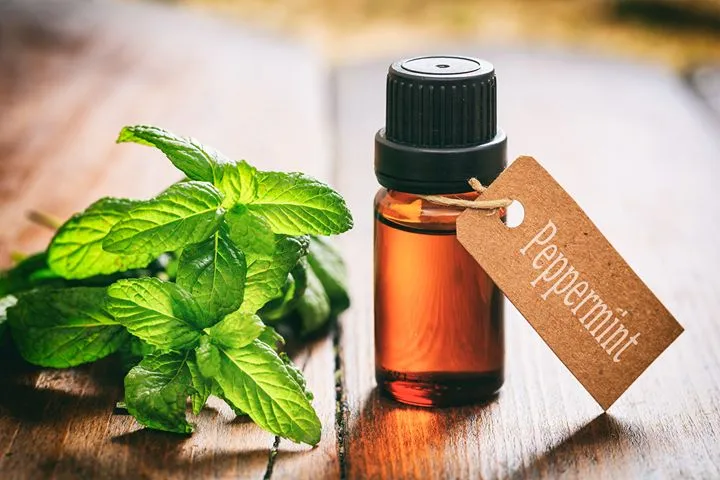
Among the natural interventions studied for IBS, enteric-coated peppermint oil capsules have one of the strongest evidence bases. Multiple randomised controlled trials and meta-analyses have demonstrated significant reductions in IBS abdominal pain and global symptom severity compared to placebo — making it one of the few natural supplements that can be recommended with reasonable clinical confidence.
How Does Peppermint Oil Work for IBS?
The primary active component of peppermint oil is L-menthol, which acts as a calcium channel antagonist in smooth muscle cells. By blocking calcium influx, L-menthol relaxes the smooth muscle of the gastrointestinal tract — reducing intestinal spasm and cramping. This antispasmodic mechanism is the same target as some prescription IBS medications (e.g. mebeverine), and the clinical effect on abdominal pain in IBS is well documented.
Peppermint oil also has carminative properties (reducing intestinal gas), mild anaesthetic effects on visceral nerve endings, and anti-inflammatory activity in vitro. Together, these mechanisms provide a rationale for its efficacy across multiple IBS symptoms.
What Does the Clinical Evidence Show?
A systematic review and meta-analysis published in the Journal of Clinical Gastroenterology (2014) analysed nine randomised controlled trials of peppermint oil in IBS involving 726 patients. It concluded that peppermint oil was significantly superior to placebo for global IBS symptom improvement (relative risk 2.23; 95% CI 1.78–2.81) and for abdominal pain (relative risk 2.14; 95% CI 1.64–2.79). The number needed to treat (NNT) was 2.5 for global symptoms — meaning that for every 2–3 patients treated, one achieved significant benefit who would not have done so with placebo. This is a clinically meaningful effect size.
A later randomised trial published in Digestive and Liver Disease (2019) specifically examined a small-intestinal-release peppermint oil formulation and found significant reductions in abdominal pain severity and IBS symptom scores versus placebo, with no serious adverse effects.
Enteric-Coated Formulation — Why It Matters
The key practical point when selecting a peppermint oil supplement for IBS is to use enteric-coated capsules. Non-coated peppermint oil releases in the stomach rather than the small intestine, which produces oesophageal reflux and heartburn as predominant effects rather than the intended intestinal antispasmodic action. Enteric coating ensures the oil is released in the small intestine, where it exerts its therapeutic effect on the gut.
Most pharmacy-stocked peppermint oil supplements are not enteric-coated — check the product label carefully. Products such as IBgard (available online and in some Irish pharmacies) and Colpermin (available on prescription in Ireland) are enteric-coated formulations used in clinical practice.
Safety and Side Effects
Enteric-coated peppermint oil is generally well tolerated. The most commonly reported side effect is perianal burning — a sensation of warmth or burning around the anus during or after bowel movements, which occurs in a minority of users and is typically mild and transient. Peppermint oil should be used with caution in people with gastro-oesophageal reflux disease (GORD), as it may relax the lower oesophageal sphincter even in enteric-coated form. Always consult your GP before starting any supplement.
Frequently Asked Questions
Peppermint tea has not been studied to the same extent as enteric-coated peppermint oil capsules in IBS clinical trials. It may provide some symptomatic relief due to its carminative properties, but it delivers a much lower and less controlled dose of active compounds than a standardised supplement. Some people also find that hot drinks (including peppermint tea) trigger symptoms due to temperature or caffeine-like effects on motility. The clinical evidence specifically supports enteric-coated capsules.
In clinical trials, significant symptom reduction has been demonstrated at 4 weeks of regular use. Some patients report improvement within the first 1–2 weeks. Peppermint oil is typically taken 30–90 minutes before meals (depending on the formulation and patient instructions) to target the small intestine when food-related symptoms are anticipated.
IBS.ie
Ireland's dedicated IBS information resource. We provide evidence-based, HSE and PubMed-referenced content on irritable bowel syndrome — covering symptoms, diet, gut health and management. All content is for general information only. Always consult your GP or a qualified specialist for personal medical advice.
Related Articles


Sources & References
Khanna, R., et al. (2014). Peppermint oil for the treatment of irritable bowel syndrome: a systematic review and meta-analysis. Journal of Clinical Gastroenterology. View on PubMed ↗
Cash, B.D., et al. (2016). A novel delivery system of peppermint oil is an effective therapy for irritable bowel syndrome symptoms. Digestive Diseases and Sciences. View on PubMed ↗